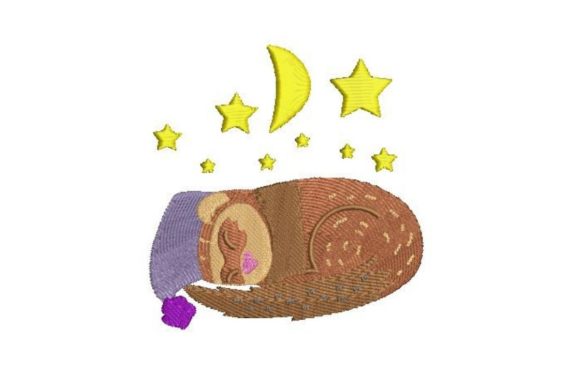
Sleepy Ferret Embroidery Design Review
As an experienced embroidery designer, I recently came across the Sleepy Ferret machine embroidery design and wanted to explore its potential for small business merchandise and branded patch use. While it's marketed as a nursery decoration, its charm and versatility open up exciting opportunities for creative professionals in various industries.
First Impressions of Sleepy Ferret
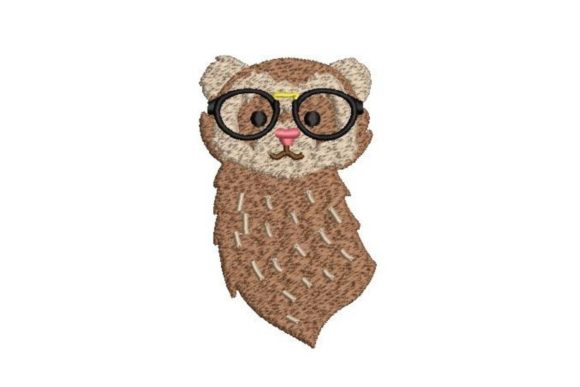
The name Sleepy Ferret immediately evokes a sense of playfulness and whimsy. The design seems friendly and approachable, which makes it ideal for brands aiming to convey a warm, inviting atmosphere. Its visual personality leans toward the modern and slightly rustic, with a handmade feel that can be appealing for boutique or artisanal businesses.
Though originally intended for nursery decor, the character’s soft lines and gentle expression lend themselves well to more diverse applications. It doesn’t feel overly childish, making it suitable for a broader audience beyond just baby-related products.
Real Business Use Cases for Sleepy Ferret
When considering Sleepy Ferret for commercial embroidery projects, there are several practical applications where this design could shine:
- Embroidered Patches: As a standalone embroidered patch, Sleepy Ferret can serve as a unique brand accent on staff uniforms, aprons, or customer gifts. Its simplicity allows it to stand out without overwhelming the overall look.
- Cap Embroidery: On caps or hats, the design can act as a subtle yet eye-catching chest logo or sleeve detail. It adds a touch of personality without being too busy.
- Tote Bag Design: For tote bags or reusable shopping bags, Sleepy Ferret can be used as a branded mark, reinforcing brand identity while maintaining a friendly tone.
- Apron Embroidery: In a café, bakery, or florist setting, adding this design to aprons can create a fun and memorable experience for both staff and customers.
- Boutique Merchandise: This design is also well-suited for custom apparel, including t-shirts, jackets, or even branded product packaging accents.
- Etsy Branding: Handmade brands selling on Etsy could use Sleepy Ferret as part of their product line, especially if they're targeting niche markets like pet lovers or creative individuals.
Its adaptability means it can be integrated into various small business merch items, from event giveaways to customer appreciation gifts. The key is to ensure that the design aligns with the brand’s overall aesthetic and message.
Where to Use Sleepy Ferret with Caution
While Sleepy Ferret has a lot of potential, there are certain scenarios where extra care should be taken:
- Small Patch Sizes: If using it as a tiny embroidered patch, the design may lose some of its detail. It’s important to test how it looks at smaller scales before finalizing production.
- Cap Fronts: The front of a cap typically requires simpler designs. Sleepy Ferret might work better on the back or side rather than the front.
- Curved Surfaces: When embroidering on curved surfaces like mugs or bottles, the design might not translate well unless adjustments are made to the layout.
- High Stitch Density: If the design includes intricate details, it may require higher stitch density, which could affect fabric texture and durability.
- Dark Uniforms: Thread color contrast is crucial. Testing on dark fabrics will help determine if the design remains visible and vibrant.
- Frequent Washing: If the design is used on items that will be washed often, it’s essential to ensure the stitching holds up over time.
Impact on Brand Identity and Customer Engagement
Incorporating Sleepy Ferret into your brand identity can significantly influence how customers perceive your business. The design’s playful nature can foster a sense of trust and familiarity, especially in industries like hospitality, crafts, or pet-related businesses.
For handmade product lines, the whimsical appeal of Sleepy Ferret can enhance the perception of quality and creativity. It helps create a visual consistency across all design assets, ensuring that every piece of merchandise reinforces your brand’s personality.
Additionally, using this design on custom apparel or promotional items can increase buyer engagement. Customers are more likely to remember and connect with a brand that uses unique and thoughtful design elements.
Practical Embroidery Designer Notes
Before using Sleepy Ferret in any commercial embroidery project, consider these tips:
- Test in Black and White: Check how the design looks in monochrome to understand its form and structure.
- Check Small Patch Size: Ensure that the design works well when scaled down for patches or logos.
- Review Thread Color Contrast: Choose thread colors that provide good visibility on the chosen fabric.
- Inspect Spacing: Make sure there is enough space between elements to avoid overcrowding the design.
- Confirm Hoop Size: Verify that the hoop size required matches your equipment capabilities.
- Test on Real Fabric: Always test the design on actual fabric before mass production.
- Use Proper Stabilizer: Especially for textured fabrics, using the right stabilizer can prevent puckering or distortion.
- Create a Mockup: Provide a printable mockup for client approval to ensure alignment with expectations.
- Compare with Other Assets: Place Sleepy Ferret beside other design assets to maintain visual consistency.
- Confirm Commercial Licensing: Ensure you have the proper rights to use the digital embroidery file for business purposes.
By following these steps, you can maximize the effectiveness of Sleepy Ferret in your custom apparel and branded merchandise efforts. Whether it's for a handmade brand or a local café, this design offers a unique opportunity to add personality and charm to your business offerings.