Person Using Sign Language Embroidery Review
First Impressions of the Design
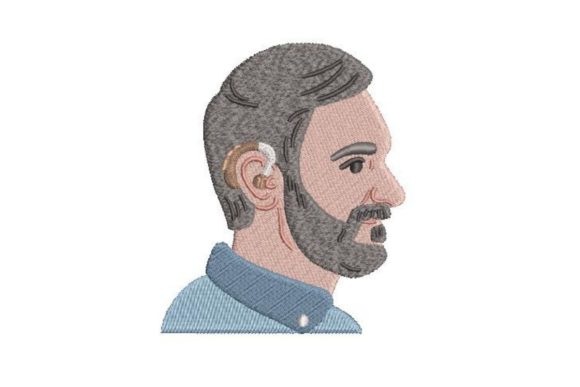
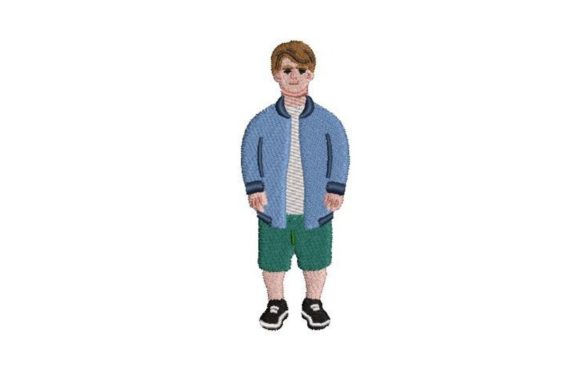
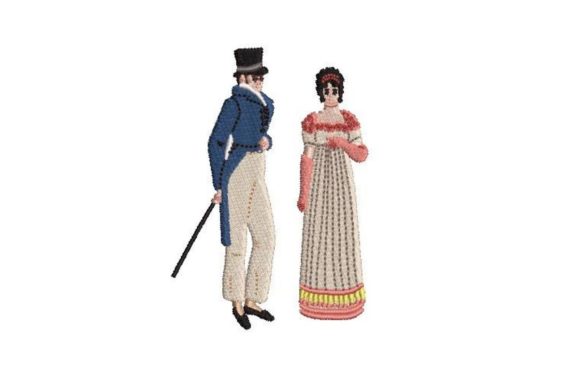
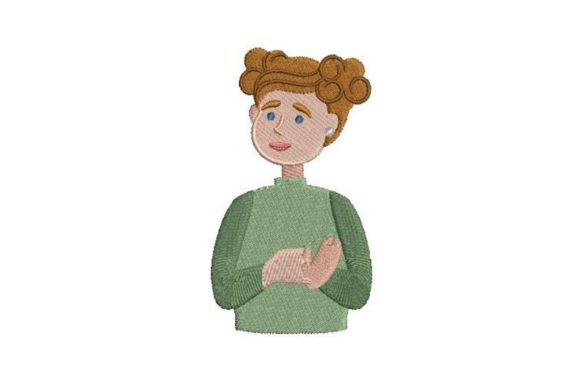
The Person Using Sign Language design immediately feels modern and thoughtful. It carries a sense of awareness and purpose, which makes it stand out in a sea of more whimsical or decorative embroidery options. The image of a nice lady using sign language is both elegant and expressive, capturing a moment that communicates inclusivity and understanding. This makes it ideal for craft fair products aimed at conscious consumers who value social impact.
It’s not overly bold or cartoonish, but it has enough visual interest to draw attention without being overwhelming. The figure is stylized just enough to be recognizable yet versatile enough to adapt across different product types.
Performance on Various Craft Fair Products
The Person Using Sign Language design works well on a range of items, including tote bags, aprons, tea towels, and pillow covers. On tote bags, it can serve as a focal point, especially if placed near the bottom or top where it’s easily visible. On aprons, it can be positioned near the pocket area or along the waistband for a subtle yet meaningful touch.
Embroidered patches and caps benefit from this design's clarity. A small embroidered patch with the Person Using Sign Language motif can be a great conversation starter, while a cap design can offer a unique way to incorporate awareness into everyday wear.
Fabric pouches and market bags also provide an excellent canvas for this design. The texture of the fabric can enhance the visual appeal, especially when paired with high-contrast thread colors. For Etsy sellers and small shop products, this design can add depth and meaning to handmade items, increasing perceived value.
For handmade gifts, this design can be used on booth samples or printable mockups to showcase the versatility of the machine embroidery design. It’s important to ensure that the embroidery file is optimized for each product type, whether it’s a large commercial embroidery piece or a small digital embroidery file.
Practical Selling and Production Points
The Person Using Sign Language design is easy to understand at a glance, making it perfect for customers who want to quickly grasp the message behind the product. It works well as both a small accent and a large focal design, depending on the placement and scale.
When photographing the design for online listings, it shines on smooth fabrics and light-colored backgrounds. However, care should be taken when using it on dark fabric or textured towels, as these can affect the visibility of the details. It’s recommended to test the design on scrap fabric before finalizing production.
For batch production, the stitch density and thread colors need to be reviewed to ensure consistency. A good hoop size should be chosen based on the complexity of the design, and the right stabilizer should be used to prevent puckering, especially on thicker or curved surfaces like caps.
Careful-Use Notes for Embroidery Designers
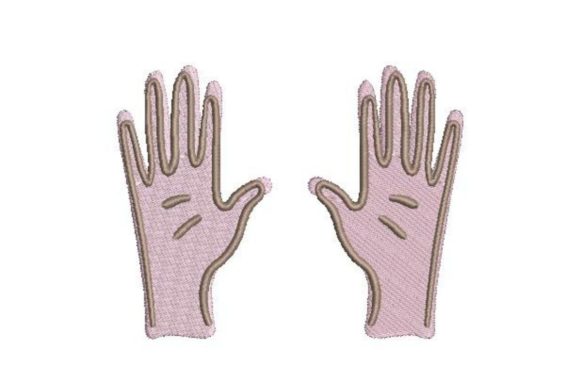
Designers should be mindful of dense stitch areas and tiny details that may not translate well to smaller sizes. If the Person Using Sign Language design includes small lettering or intricate hand gestures, it may lose clarity when scaled down for patches or caps.
Also, consider the fabrics you’ll be working with. Thick fabric or curved cap surfaces might require additional adjustments to maintain the integrity of the design. Always compare fabric colors to ensure that the thread colors will show up clearly.
Before selling finished products, confirm that you have the proper commercial licensing for the design assets you’re using. This is crucial for craft fair products and handmade product lines that are sold commercially.
Visual Appeal and Customer Engagement
The Person Using Sign Language design adds a layer of visual appeal that goes beyond aesthetics—it tells a story. It can spark conversations at your booth and create emotional connections with potential buyers. This is especially valuable for awareness-focused products that aim to educate or inspire.
Its thoughtful composition helps elevate the handmade quality of your products, making them feel more intentional and meaningful. When paired with the right stabilizer and embroidery file, it can become a standout feature of your craft fair product lineup.
For Etsy sellers and small shop product creators, this design can help establish brand consistency and attract a niche audience interested in social causes and inclusive design.
Final Embroidery Designer Notes
As a professional embroidery designer, I recommend testing the Person Using Sign Language design on a variety of scrap fabric samples before committing to full production. Check the thread contrast against different fabric colors and review the spacing of the stitches to avoid overcrowding.
Confirm the hoop size required for your machine and inspect the stitch density to ensure it won’t cause tension issues. Use the right stabilizer to keep the fabric taut and flat, especially on textured towels or thick fabric.
Create at least one real mockup of the finished product to see how the design looks in person. This will help you make any necessary adjustments before producing larger batches. And don’t forget to check the commercial licensing for the digital embroidery file—it’s a small step that can save you from big headaches later.
The Person Using Sign Language design has the potential to be a powerful addition to your craft fair and handmade market offerings. With careful planning and execution, it can turn into a best-selling embroidery design that resonates with customers and supports a meaningful cause.