November Lettering: A Designer's Review for Craft Fairs
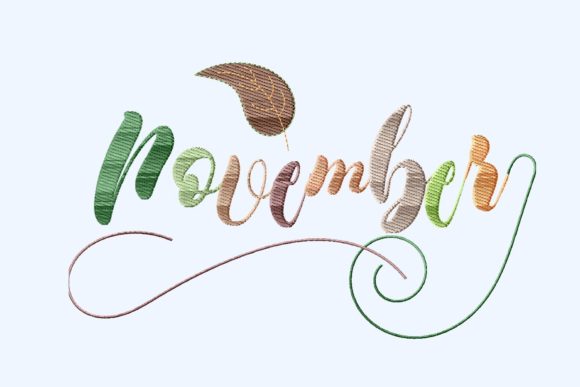
As an experienced embroidery designer who spends weekends setting up booths and managing online shops, I know that the difference between a product that sits on a table and one that flies off the shelf often comes down to a single design element. When I first pulled up November Lettering, I immediately started thinking about how it would perform in a real-world market setting. The prompt describes it as a fun and easy-to-stitch option suitable for any fabric, which is exactly what busy sellers need when they are preparing for a weekend event.
This review focuses on the practical reality of turning a digital file into a physical craft fair product. We are not just looking at pixels; we are looking at thread density, visual impact from three feet away, and the ease of production for high-volume handmade items. If you are an Etsy seller or a boutique maker looking to stock your next seasonal collection, here is my professional assessment of how November Lettering fits into your workflow.
The First Impression: Mood and Market Fit
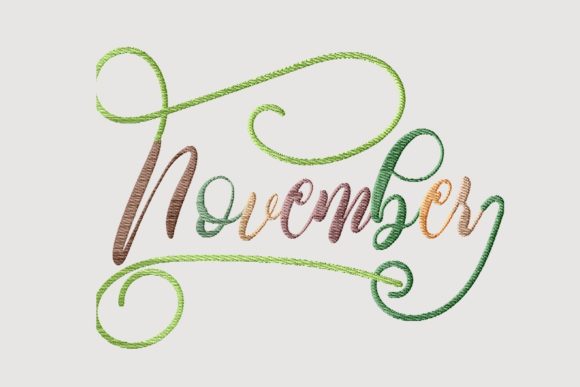
The title "November Lettering" combined with the description suggests a design that is likely warm, inviting, and perhaps leaning towards a farmhouse or rustic aesthetic. In the world of embroidery, words carry a heavy emotional weight. Customers do not just buy a stitched word; they buy the feeling associated with that month. November evokes gratitude, harvest, cozy evenings, and the start of the holiday season.
For a booth display, this design has the potential to be a focal point. It feels less like a generic graphic and more like a personal touch. Whether the style is bold and modern or soft and decorative, the key is that it promises to be "fun." This suggests a design that is approachable for customers browsing handmade goods. It does not scream "high-end luxury" but rather whispers "handmade with care," which is a powerful selling point for small shop products.
Product Versatility: Where It Shines
When I imagine this design applied to various items, several categories stand out as having the highest sales potential for a craft fair environment.
- Tote Bags: A tote bag design featuring November Lettering is an instant classic. Totes are practical gifts, and adding personalized lettering elevates them from a simple canvas bag to a statement piece. The design works well as a central chest pocket accent or a large print on the front panel.
- Apron Embroidery: For kitchen-focused vendors, this design transforms a standard apron into a unique apron embroidery item. It appeals to home cooks and bakers who love seasonal decor. The text likely reads beautifully against denim or natural linen fabrics.
- Tea Towel Embroidery: Nothing says "homey gift" like a tea towel embroidery project. These are low-cost items that sell quickly in bulk. The design can be repeated across a set of towels, creating a cohesive look that draws the eye to a stack of merchandise.
- Embroidered Patches: If the design has clean lines and moderate detail, it could be digitized as an embroidered patch to be ironed onto hats or jackets. Patches are excellent for impulse buys at a booth.
- Small Pouches and Pillow Covers: For smaller items, the design acts as a charming accent. A pillow cover with this lettering adds a touch of autumnal warmth to a living room display.
Production Realities and Selling Strategy
From a production standpoint, the description emphasizes that the design is "easy to stitch." This is a crucial metric for profitability. If a design requires excessive hooping time or frequent trimming, your profit margins shrink. An easy-to-stitch design allows you to batch produce items efficiently, ensuring you have enough inventory for a busy Saturday morning.
Photography is another critical factor. For an Etsy seller or anyone using printable mockups, the legibility of the lettering is paramount. November Lettering must remain clear even in a thumbnail image on a mobile screen. If the lettering is too intricate or the stitches are too fine, it will blur in photos, reducing click-through rates. However, if the design has strong contrast and clear spacing, it photographs beautifully, enhancing the perceived value of the finished product.
Regarding repetition, a design that looks good once can be made to look better by being repeated. Can you stitch this three times on a single tea towel? Does it work well as a border pattern? If the answer is yes, you have a winner for commercial embroidery projects where volume matters.
Careful-Use Notes and Potential Pitfalls
While the design sounds promising, every machine embroidery design has limitations that must be respected to avoid customer returns or damaged goods. As a designer, I always advise checking the following before mass production:
- Stitch Density: Check the stitch density closely. If the letters are filled with too many stitches, the fabric may pucker, especially on thin materials. Conversely, if the density is too low, the design may look sparse and cheap.
- Small Details: Be wary of tiny details within the lettering. On textured towels or thick fabrics, these fine threads may get lost or cause the needle to break. Ensure the design holds its shape at the intended size.
- Fabric Texture: The description mentions stitching on "any fabric," but practically speaking, highly textured fabrics can hide the definition of the lettering. Smooth cottons, linens, and blends usually yield the best results.
- Curved Surfaces: If applying this to caps, remember that curved surfaces distort designs. You may need to adjust the hoop placement or use a specialized cap frame to ensure the November Lettering appears straight to the viewer.
- Dark Fabrics: If you plan to stitch on dark fabrics, verify that the design includes underlay stitches to prevent the background color from showing through the lettering. Without proper underlay, the colors may look muddy.
Professional Designer Checklist
Before you commit to producing hundreds of units for a craft fair, follow these essential steps to ensure quality and compliance:
- Test on Scrap Fabric: Always run a test on scrap material that matches your final product in weight and texture. This reveals issues with tension or stabilizer needs.
- Check Thread Contrast: Select thread colors that pop against your chosen fabric. High contrast ensures the design stands out in a crowded booth.
- Review Spacing and Hoop Size: Confirm that the hoop size accommodates the design without cutting off letters. Adequate spacing prevents crowding and maintains readability.
- Inspect Stitch Density: Look at the design file to see if the density is appropriate for the fabric type. Adjustments may be needed for different materials.
- Use the Right Stabilizer: Match your stabilizer to the fabric weight. Too much stabilizer makes the item stiff; too little causes puckering.
- Create a Real Mockup: Don't rely solely on digital images. Create at least one physical sample to photograph and display. Real samples build trust with buyers.
- Confirm Commercial Licensing: Before selling finished products, verify the terms of the digital embroidery file. Ensure you have the necessary license for commercial use.
Final Thoughts for Creative Entrepreneurs
In conclusion, November Lettering has the makings of a successful seasonal addition to your inventory. Its focus on being "fun and easy" aligns perfectly with the needs of creative entrepreneurs who want to create high-quality handmade products without getting bogged down in technical difficulties. Whether you are decorating tote bags, aprons, or kitchen towels, this design offers a versatile foundation for your brand.
By paying attention to the practical details—fabric choice, stabilizer usage, and photographic presentation—you can turn this simple design asset into a standout feature of your booth or online store. Remember, the goal is to create a connection with the buyer, and a well-executed lettering design is a direct line to their emotions. Use this opportunity to showcase your craftsmanship and let the charm of the season shine through your work.