Cute Owl Embroidery Review for Craft Fairs
As an experienced embroidery designer preparing my booth for the upcoming weekend craft fair, I spend a lot of time evaluating digital assets before they ever hit the hoop. Today, I am reviewing a design titled Cute Owl. The description promises something delicate and stylish that can embellish any fabric, specifically mentioning tote bags, pillows, and home decor. For those of us running small shops or selling on Etsy, the difference between a design that sits in a folder and one that drives sales often comes down to this kind of practical judgment. Does it have that "stop-and-look" factor? Is it versatile enough for a mixed inventory? Here is my professional assessment of how Cute Owl fits into a commercial handmade product line.
First Impressions: Delicate Style Meets Market Appeal
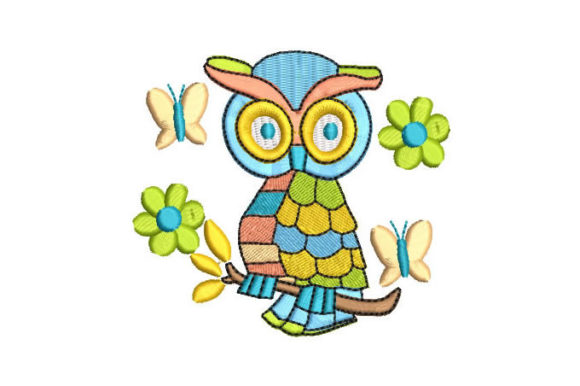
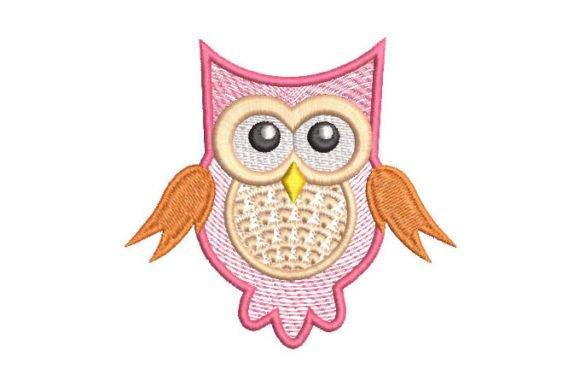
The moment I see the title Cute Owl, I expect a certain mood. Based on the description highlighting its delicate and stylish nature, this design feels less like a bold graphic and more like a soft, inviting accent. In the world of bird embroidery designs, owls are perennial favorites, but they can easily veer into cartoonish territory if not executed well. This design aims for elegance rather than caricature. It strikes a balance that works beautifully for farmhouse aesthetics, modern rustic themes, and even minimalistic boutique styles.
For a craft fair seller, visual appeal is everything. A design that feels premium immediately elevates the perceived value of the finished product. If Cute Owl truly delivers on being delicate, it will photograph exceptionally well for online listings and social media teasers. Customers at a market want to feel a connection to the item; a cute owl with a refined touch suggests care and quality, which is exactly what buyers look for when purchasing handmade goods.
Versatility Across Product Categories
The real test of any machine embroidery design is its adaptability. The description explicitly mentions tote bags, pillows, and home decor, but let us dig deeper into how Cute Owl performs across a full range of potential products for your booth.
- Tote Bag Design: This is arguably the best application for this file. Tote bags serve as walking advertisements for your brand. A delicate owl placement on a canvas bag offers high visibility without overwhelming the user. It works perfectly as a small accent near the handle or a larger focal point on the front panel.
- Apron Embroidery: For kitchen-focused vendors, applying this to aprons creates a charming gift item. The design's style likely complements the functional nature of an apron, adding a touch of whimsy to the workspace.
- Tea Towel Embroidery: Textured towels present a unique challenge, but a delicate design often shines here because it doesn't get lost in the weave. However, you must ensure the stitch density handles the fabric texture well.
- Embroidered Patch: If you offer sew-on patches, Cute Owl could be a standalone product. Its defined shape makes it suitable for trimming and backing, allowing customers to add it to jackets or hats themselves.
- Pillow Covers and Home Decor: These items command higher price points. A stylish owl motif adds character to living spaces, making it a great upsell alongside smaller accessories.
- Fabric Pouches and Caps: For smaller inventory items, this design works well on drawstring bags or as a centered patch on baseball caps, provided the curvature of the cap is accounted for.
Production Practicality and Batch Efficiency
Running a craft fair requires efficiency. You cannot spend hours hooping and stitching a single unit. From a production standpoint, I need to know if Cute Owl is repeatable. Designs that are too complex with tiny details can slow down the machine and increase the risk of thread breaks or registration errors. Conversely, a design that is too simple may look flat.
If the design allows for quick stitching times while maintaining clarity, it becomes a powerhouse for batch production. Imagine creating a stack of embroidered patches or a row of matching tea towels. The design should read clearly from a distance so that passersby at the fair notice the detail instantly. It also needs to translate well into printable mockups for your Etsy shop, ensuring that the digital representation matches the physical reality of the finished product.
Visual Impact and Customer Engagement
At a busy craft fair, your booth display strength relies on variety and cohesion. Cute Owl acts as a unifying theme. Whether placed on a tote bag, a pillow, or a pouch, the consistent use of this design asset helps build brand consistency. Customers appreciate seeing a collection where different items share a common aesthetic thread.
Furthermore, the emotional response to an owl is generally positive—it evokes feelings of wisdom, cuteness, and nature. This emotional connection drives buyer engagement. When a customer picks up a tea towel with this design, they are not just buying a cloth; they are buying a feeling of warmth and charm. This perception directly impacts the final sale price and the likelihood of the item being added to a shopping bag.
Crucial Technical Considerations for Sellers
Before you start mass-producing items with Cute Owl, there are several technical factors you must verify to avoid costly mistakes. As a designer, I always advise checking these specific areas:
- Stitch Density and Tiny Details: Because the description emphasizes delicacy, check if the design contains very fine lines or dense stitch areas. On thick fabrics or textured towels, tiny details can disappear or cause puckering. Ensure the stitch count is appropriate for the intended fabric weight.
- Hoop Size and Spacing: Confirm the recommended hoop size. A design that requires a large hoop might limit where you can place it on a tote bag or apron. Proper spacing is essential to prevent the design from getting cut off by seams or edges.
- Thread Contrast: Test the design against various thread colors. A delicate design relies heavily on contrast. If the thread color blends too much with the fabric, the owl will lose its definition. Always create a test swatch to verify visibility.
- Fabric Texture and Stabilizer: Different materials require different stabilizers. A lightweight cotton might need tear-away support, while a heavy canvas requires cut-away. Using the wrong stabilizer can ruin the drape of the fabric or cause the design to pucker over time.
- Dark Fabric Challenges: If you plan to embroider this on dark-colored bags or shirts, ensure the design has sufficient underlay stitches to cover the base fabric. Without proper coverage, the colors may look muddy or uneven.
- Curved Surfaces: For caps and curved pouches, the design must be digitized specifically for the curve. A flat design applied to a curved surface can distort the proportions of the owl.
Final Verdict for the Handmade Entrepreneur
For Etsy sellers, boutique makers, and creative entrepreneurs, Cute Owl appears to be a strong candidate for a core design asset. Its versatility spans from low-cost impulse buys like patches to higher-value items like home decor. The key to success lies in testing the design thoroughly before launching your product line. Create at least one real mockup using the exact fabric and stabilizer you intend to sell. Compare the result against your digital files to ensure accuracy.
Remember to confirm your commercial licensing terms before selling finished products. If the license permits, this design has the potential to become a signature element of your booth, drawing attention with its blend of cuteness and style. By paying attention to the technical nuances of stitch density, thread colors, and fabric choice, you can turn a simple digital file into a standout craft fair product that resonates with customers and builds your brand reputation.