Bunny Hopping on Grass: A Designer's Holiday Review
As an experienced embroidery designer who spends countless hours curating collections for seasonal markets, I am always looking for that perfect design to anchor a holiday product line. Recently, I came across Bunny Hopping on Grass, a Creative Fabrica embroidery file that immediately caught my eye. It is described as an adorable redwork embroidery, perfect for upcoming sewing projects. After reviewing the visual details and considering its potential application, I have decided to add this piece to my seasonal collection planning. This review breaks down why this design works so well for Easter items, gardening outfits, farmhouse decor, and more.
The First Impression of Bunny Hopping on Grass
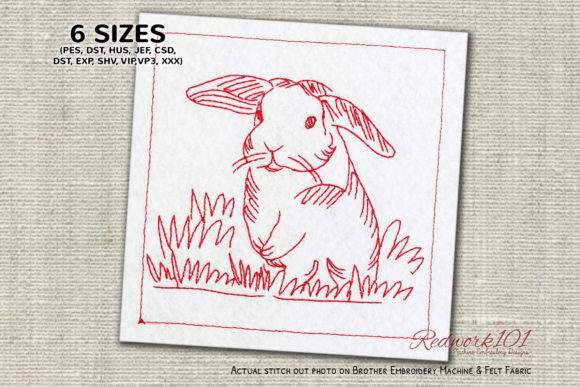
When you first look at Bunny Hopping on Grass, the emotional tone is instantly warm and nostalgic. The redwork style, which relies on a single thread color to create the image through stitch density rather than shading, offers a timeless charm. It feels rustic yet modern, playful yet elegant enough for high-end home goods. For a designer planning a holiday shop collection, this balance is crucial. You want something that evokes the joy of spring without feeling overly childish or dated.
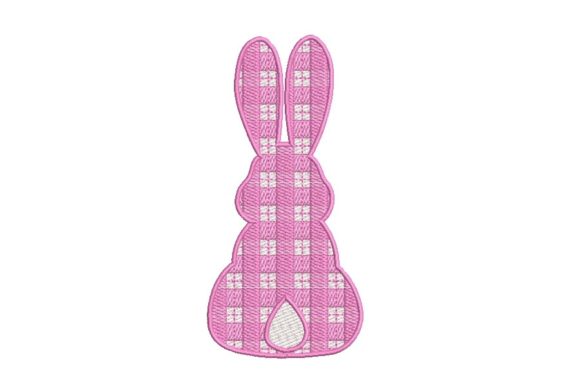
The design features a charming bunny in motion, capturing the essence of hopping on grass. This dynamic pose adds energy to what could otherwise be a static motif. In the context of holiday selling situations, this energy translates well into gift bundles and craft fair displays. The simplicity of the redwork aesthetic means it can be easily adapted to various color palettes, allowing you to maintain brand consistency while offering different options to your customers. Whether you are targeting Etsy sellers looking for unique digital files or small business owners creating finished products, this design hits the mark for festive, cozy, and cute vibes.
Real-World Applications for Seasonal Sellers
One of the most exciting aspects of Bunny Hopping on Grass is its versatility across different product categories. As an embroidery designer, I often test how a machine embroidery design performs on various substrates before recommending it for commercial use. Here is how this design shines in real-world scenarios:
- Sweatshirt Embroidery: The clean lines of the redwork style work beautifully on light-colored fleece or cotton blends. It creates a soft, tactile feel that customers love when buying handmade gifts for family matching items.
- Tote Bag Design: A sturdy canvas tote featuring this bunny is a practical and stylish choice. The design scales well, making it suitable for large tote bags used for farmers market runs or grocery shopping during the spring season.
- Kitchen Towel Embroidery: Farmhouse decor remains a top trend, and a kitchen towel with Bunny Hopping on Grass stitched near the hem is a perfect addition to a spring table setting. It adds a touch of whimsy to everyday cooking tasks.
- Pillow Covers: For home decor enthusiasts, this design serves as a focal point on throw pillows. It pairs exceptionally well with floral patterns or solid pastel backgrounds, enhancing the seasonal appeal of a living room or nursery.
- Baby Items and Aprons: The gentle nature of the bunny makes it ideal for baby onesies, bibs, and children's aprons. Parents love personalized gifts that feature soft, non-threatening imagery, and this design delivers exactly that.
- Embroidered Patches: If you produce embroidered patches, this design is a strong candidate. The defined edges of redwork ensure the patch holds its shape well after cutting and backing application.
For Etsy shop owners and digital embroidery file buyers, the potential for creating limited-time apparel and gift-ready products is significant. You can use this design to create printable mockups for social media previews, showing potential buyers how the finished product looks in a real home setting. The design's simplicity also allows for easy integration into larger compositions, such as combining it with text or other spring motifs for a cohesive collection.
Strategic Considerations and Limitations
While Bunny Hopping on Grass is a fantastic asset, every professional designer knows that success lies in knowing where to apply the design carefully. There are specific scenarios where caution is required to ensure a high-quality finished product.
First, consider the hoop size. While redwork designs are generally efficient, very small hoop sizes might struggle to capture the fine details of the grass blades if the design is scaled down too much. Always check the recommended hoop size provided by Creative Fabrica to avoid frustration. Similarly, tiny lettering should not be added to this design unless the font is specifically chosen to match the scale of the bunny; otherwise, the composition may feel cluttered.
Layered details and dense stitch areas require attention to fabric texture. Thick towels or heavy denim might not support the stitch density well, leading to puckering or distortion. Dark fabrics present another challenge. Since redwork typically relies on a single thread color against a lighter background, using this design on dark fabric requires a substantial underlay or a change in thread color strategy, which might alter the intended aesthetic. Additionally, stretchy garments like t-shirts need proper stabilizer usage to prevent the design from distorting during wear and washing.
Curved caps and items that need repeated washing also demand extra care. The stability of the stitches on curved surfaces can be tricky, and frequent washing may cause the thread colors to fade or the stitches to loosen if the wrong stabilizer is used. Metallic thread is generally not recommended for intricate redwork designs unless the machine settings are perfectly calibrated, as metallic threads can break or snag easily on detailed areas.
Impact on Seasonal Appeal and Brand Value
Incorporating Bunny Hopping on Grass into your product line does more than just fill a slot in your inventory; it influences buyer emotion and customer trust. The design's high visual recognition helps shoppers immediately identify your shop as a source of quality seasonal goods. When a customer sees a beautifully stitched bunny on a tote bag or a pillow cover, they associate that craftsmanship with reliability.
This association boosts product value. Customers are often willing to pay a premium for items that show clear attention to detail and thoughtful design choices. By using a well-executed design like this, you signal that you care about the quality of your handmade gifts. Furthermore, the design's adaptability allows for engaging social media content. You can showcase the same design in different thread colors or on various fabrics, keeping your audience engaged throughout the holiday shopping period.
Practical Designer Notes for Success
Before adding Bunny Hopping on Grass to your production run, there are several technical steps every embroidery designer should take. First, test thread colors on both light and dark fabric samples to ensure the contrast meets your vision. Check the stitch density of the design to ensure it is appropriate for your target material; too dense, and the fabric may pucker, but too sparse, and the design may lack definition.
Confirm the hoop size requirements and use the proper stabilizer for your specific fabric type. Creating realistic mockups is essential for marketing, so visualize how the design will look on the final product before listing it. Review small details after stitching to catch any potential issues with the grass or the bunny's outline. Plan matching color palettes that align with current spring trends to maximize sales.
Finally, always review Creative Fabrica product details and licensing terms before selling finished seasonal products. Understanding the commercial rights associated with the embroidery file ensures you can sell your creations with confidence. By following these guidelines, you can leverage the charm of Bunny Hopping on Grass to create a successful and profitable seasonal collection that resonates with holiday shoppers everywhere.